 Image 1 of 1
Turn curious visitors into subscribers, and subscribers into readers who stay.
When I audit an author’s Substack, the first thing I do is hover over their name. In about three seconds, I can usually tell whether that publication is growing or stuck.
It’s rarely the writing. Most of the authors I work with write beautifully. The problem is that a stranger arrives, glances at the bio, skims the About page, and can’t quickly answer three simple questions: What is this? Is it for me? Why should I subscribe? So they move on, quietly, and the author never knows they were there.
The good news is that this is one of the most fixable problems in publishing. It doesn’t need more posts, more Notes or more hours. It needs clarity, in the handful of places where readers decide whether to stay.
This guide shows you exactly how to get it.
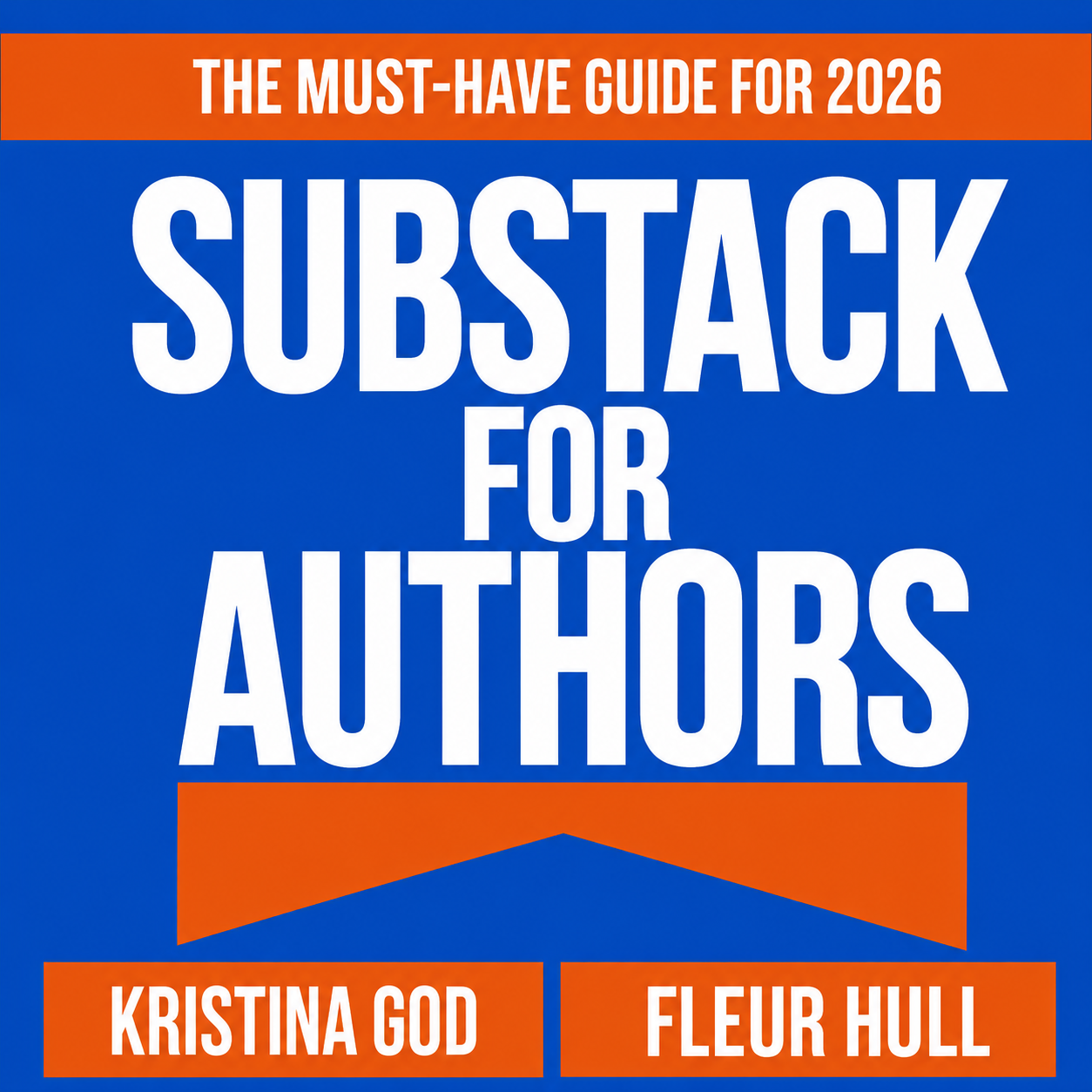
Twenty-one pages of practical, author-specific advice. Each section gives you the principle, the steps and a template where you need one.
The clarity principle: the three questions every visitor asks, and a 10-minute audit to check you’re answering them.
Your profile bio: how to write the line that follows you into every comment and Note, with four bio formulas for fiction and non-fiction authors.
Your publication name and short description: where that one sentence appears (in more places than you’d think), and formulas that name your reader and your promise.
Your About page: a three-layer framework, four openers that beat “Hi, I’m…”, and a fill-in skeleton you can adapt in an afternoon.
A Start Here page: what to put in front of new readers, and why it belongs in your book’s back matter.
Lead magnets for authors: from prequel stories and character dossiers to book-club sheets and Chapter 1 worksheets, and how to make sure they actually bring in subscribers.
Welcome emails: the most-read email you’ll ever send. Thirteen building blocks, a ready-to-use template, and what to change for paid subscribers.
Paid tiers: principles and ideas that suit authors, plus an honest look at when staying free is the smarter choice.
A real-world example: a section-by-section look at how indie thriller author Andrew Harwood has set up his Substack, and what you can borrow from it.
Where the advice varies: my candid view on the setup tips that don’t suit authors, so you don’t waste time on them.
A 34-point setup and audit checklist to use now, before every book launch, and every three to six months.
You’re starting a Substack and want to get it right the first time.
You already have a Substack, but growth has stalled and you’re not sure why.
You have a book coming out and want your publication ready for the readers it brings.
You write fiction and you’re tired of advice that assumes everyone sells a course.
Most Substack advice is written for coaches and creators selling information products. This guide is written for authors. It covers characters and worlds as well as outcomes and frameworks, and it treats your book as the credibility asset it is.
It draws on more than two years of setting up, testing and auditing Substacks for author clients across fiction and non-fiction. It also draws on my own publications, including The Substack Bookstore, which reached Bestseller status within six weeks of launch. Much of what I know comes from working alongside Kristina God, my Bookstore co-host and founder of The Online Writing Club.
I’m Fleur Hull, founder of Stacks Publishing. I’ve spent more than 25 years in writing and marketing, I’ve published five non-fiction books, and these days I help indie authors build platforms that sell books without turning them into full-time marketers. I’m based in Western Australia and work with authors worldwide.
Once your setup is ready, the companion Substack Notes Guide for Indie Authors shows you how to bring the right readers to it.
Is this a video course?
No. It’s a 21-page PDF you can read in an evening and work through at your own pace.
I write fiction. Will it work for me?
Yes. Every section includes fiction-specific advice, and the worked example is a thriller writer.
I’d rather someone did it for me.
That’s what the Substack Kickstart and Substack Clarity Audit are for. The guide explains both, and it’s a good way to see how I think before you book.